


Site Search
Enter your keywords in the search box. To find resources by place, use the County Search Tool or search in Free Genealogy Resources.
Search this site
1191 results found with an empty search
- Early Settlers of Madison County, New York
The book "Our country and its people; a descriptive and biographical record of Madison County, New York", contains much information about the early settlement of Madison County, New York. From the times of Indian occupation to 1899, this book covers it all and contains maps and illustrations, too. Check the index for your family name and then locate scroll up to the page the index refers you to. Surnames in this book: Abbott, Abell, Abercrombie, Ackerman, Ackley, Adams, Ager, Aiken, Ainsworth, Alby, Alcott, Alderman, Aldrich, Alger, Allen, Allis, Alvord, Ambler, Amedown, Ames, Amsbry, Amsden, Anderson, Andrews, Angel, Annas, Antes, Anthony, Armour, Armstrong, Arndt, Arnold, Arnst, Arrowsmith, Atkins, Atkinson, Atwell, Atwood, Aubeuf, Audas, Austin, Avery, Ayer, Ayres, Aylesworth, Babcock, Backus, Bacon, Bailey, Baker, Balcom, Baldwin, Ballard, Ballou, Bamber, Bamford, Bancroft, Banning, Banton, Banyea, Barclay, Bardeen, Barker, Barkinson, Barlow, Barnard, Barnes, Barnett, Barott, Barr, Barrett, Barry, Bartholomew, Bartle, Barton, Bass, Bassett, Bates, Battey, Baum, Baxter, Beach, Beal, Beardsley, Beck, Beckwith, Beden, Beebe, Beebee, Beecher, Beekman, Beeman, Beers, Bell, Behr, Bellamy, Benedict, Benjamin, Bennett, Benson, Bensted, Bentley, Bemis, Bergen, Berry, Berson, Betsinger, Betts, Bicknell, Bigsby, Bill, Bills, Billings, Billington, Bingham, Birdsall, Birge, Bishop, Bitz, Bixby, Black, Blackstone, Blair, Blakeman, Blakeslee, Blanchard, Blish, Bliss, Blodgett, Blowers, Blye, Boardman, Boden, Bogardus, Bond, Bonney, Boon, Bort, Bordwell, Bostwick, Bosworth, Bouck, Bowen, Bowler, Boyer, Bradin, Bradley, Bradner, Brainard, Brand, Brasse, Breese, Brevoort, Brewer, Brewster, Bridge, Briggs, Brigham, Bright, Britt, Britton, Broad, Broadhead, Brockett, Broga, Bronson, Brooks, Brown, Brownell, Brownson, Bruce, Bruen, Bryant, Buck, Buckingham, Buell, Bugbee, Bulger, Bulkley, Bull, Bump, Bumpus, Bunker, Burchard, Burden, Burdick, Burgess, Burhans, Burke, Burn, Burnett, Burnham, Burr, Burroughs, Burton, Bush, Bushnell, Bushyte, Butler, Button, Byer, Cady, Cadwell, Cain, Calhoun, Calkins, Callanan, Calvin, Calway, Cameron, Camp, Campbell, Campton, Candee, Card, Cardner, Carey, Carl, Carlon, Carpenter, Carrier, Carrington, Carrol, Carscadden, Carter, Carver, Cary, Case, Casler, Caswell, Catlin, Cavana, Cazenove, Cazier, Chafee, Chaffee, Chamerlain, Chamerlayne, Chambers, Champlain, Chandler, Chaphe, Chapin, Chapman, Chappell, Chariton, Chase, Chasmer, Chawgo, Cheney, Cheesebro, Cheesebrough, Chesebro, Chesley, Childs, Christman, Chubbuck, Church, Clark, Clarke, Clary, Clemens, Clements, Clemons, Cleveland, Clough, Clow, Cloyes, Cobb, Cody, Coe, Colburn, Cole, Coleman, Coles, Colegrove, Coleman, Coley, Colgate, Collins, Collis, Collister, Colson, Colton, Colwell, Colyer, Coman, Comstock, Conant, Cone, Conger, Conine, Conklin, Conley, Conniff, Cook, Coolidg, Coolidge, Coon, Coons, Cooper, Copley, Cornell, Corson, Cossett, Costello, Cotes, Cotton, Couch, Covell, Cowan, Cowen, Cox, Coye, Craine, Cramer, Cramphin, Crandall, Crane, Cranson, Craw, Crawe, Craweford, Crawshaw, Crayter, Chrichton, Crispe, Crocker, Cronk, Crosby, Cross, Crouse, Crowell, Crumb, Cruttendon, Cummings, Cunningham, Curtis, Currier, Curry, Curtis, Cushing, Cushman, Cutler, Daboll, Daggett, Daharsh, Damon, Dana, Danehy, Danforth, Daniels, Dapson, Dardis, Darling, Darrow, Dart, Dascom, Dauby, Davenport, David, Davidson, Davis, Dawson, Day, Dean, Dearborn, De Clercq, Deering, De Forest, Delamater, De Laney, Delaney, De Lano, De Long, Denison, Dennie, Dennison, Derbyshier, Deuel, Devan, Devereaux, Devolant, Dewey, Dewitt, De Witt, De Wolf, Dexter, Deyo, Dick, Didama, Dietz, Dillaye, Divine, Dix, Dixon, Dodge, Donaldson, Donnelly, Doody, Doolittle, Doran, Doremus, Dorion, Dorrance, Douglass, Dow, Dowd, Downer, Downey, Downing, Drake, Draper, Drew, Driscoll, Dryer, Duffey, Duke, Dunbar, Dunham, Dunlap, Dunster, Dunton, Durfee, Durham, Durkee, Durst, Dutten, Dwinelle, Dyer, Dygert, Dykeman, Eagan, Eames, Earll, Eaton, Eddy, Edgarton, Edgerton, Edson, Edwards, Eells, Eggleston, Ehle, Eisaman, Eldred, Eldridge, Ellinwood, Elliott, Ellis, Ellsworth, Elmore, Elphick, English, Ensign, Enos, Esselstyne, Evans, Everett, Everton, Fairchild, Fancher, Farnam, Farnham, Farr, Farrell, Farwell, Faulkner, Faurot, Fay, Fearon, Fellows, Felt, Felton, Fenner, Ferguson, Ferrier, Ferry, Field, Finch, Finney, Fish, Fisk, Fiske, Fitch, Flaherty, Flower, Foord, Foot, Foote, Forbes, Ford, Forman, Forrester, Fort, Forte, Forward, Foskett, Foster, Fowler, Fox, Francis, Franklin, Frederick, Freeborn, Freeman, Freemyer, French, Frink, Frost, Fry, Fryer, Fuess, Fuller, Furman, Gage, Gale, Gardiner, Garrett, Gasten, Gary, Gaston, Gates, Gay, Gaylord, Gere, Germer, Gibbs, Gibson, Gifford, Gilbert, Giles, Gill, Gillet, Gillett, Ginney, Girvin, Gleason, Godfred, Goff, Goldstein, Goodell, Goodenough, Goodrich, Goodsell, Goodwin, Goosens, Gore, Gorton, Gostling, Gough, Gould, Graham, Granger, Grant, Graves, Gray, Green, Greene, Greenhow, Greenland, Greenly, Greenwood, Gregg, Greiner, Greminger, Gridley, Griffin, Griffith, Griffiths, Griner, Griswold, Groat, Groesbeck, Groff, Grout, Guernsey, Guest, Guiteau, Gulbran, Gullerat, Gunn, Gurley, Hackley, Hadcock, Haight, Haines, Hakes, Halbert, Hale, Hall, Halliday, Hallock, Halsey, Hamblet, Hamblin, Hamlin, Hamilton, Hammond, Hanchett, Hand, Hannum, Harbottle, Harder, Hardie, Hardin, Hardy, Hare, Harmon, Harp, Harrington, Harris, Harrison, Hart, Hartjen, Hartshorn, Hascall, Haskell, Haskins, Haswell, Hatch, Hatfield, Hathaway, Havens, Hawkins, Hawks, Hawley, Hay, Hayden, Hayes, Hayward, Haywood, Hazard, Hazeltine, Hazelton, Hazzard, Heacock, Head, Hearsey, Hecox, Heffron, Henderson, Henry, Herrick, Hess, Hewes, Hewitt, Hickox, Hicks, Higgins, Higinbotham, Hill, Hills, Hinckley, Hinman, Hintermister, Hitchcock, Hitchman, Hoadley, Hoag, Hobbie, Hobart, Hodge, Hoffmann, Holbrook, Holden, Holdridge, Hollenbeck, Holmes, Holton, Hopcraft, Hopkins, Hoppin, Horton, Hosley, Hostler, Hotchkin, House, Hough, Hovey, Howard, Howe, Howell, Howes, Howland, Howson, Hoxie, Hoyt, Hubbard, Hudson, Hueston, Hughes, Hull, Humphrey, Hunt, Huntington, Huntley, Hurd, Hurlbut, Hutchings, Hutchins, Hutchinson, Huyck, Hyatt, Hyland, Ingalls, Ingraham, Isaacs, Isbell, Ives, Jackson, Jacobs, James, Jaqueth, Jarvis, Jenks, Jenkins, Jennings, Jepson, Jermy, Jerrold, Jessup, Jewell, Jillson, Johnson, Johnston, Jones, Jordan, Joslin, Joslyn, Joy, Judd, Jurden, Kaiser, Kearns, Keating, Keegan, Keeler, Keeney, Kessler, Keith, Keller, Kelley, Kellogg, Kelloway, Kelly, Kendrick, Kenfield, Kenna, Kennedy, Kenney, Kent, Kenwood, Kenyon, Kern, Kershaw, Keyes, Kibbie, Kilbourn, Kiley, Kilroy, Kimball, Kimberly, Kincaid, King, Kingsbury, Kingsley, Kinney, Kirkland, Kling, Klock, Knapp, Kneiss, Knowles, Knowlton, Knox, Krumbhaar, Ladd, Lamb, Lamphere, La Munion, Lane, Langdon, Langworthy, Lansing, Larkin, Lathrop, Lawton, Lawrence, Leach, Leavenworth, Ledyard, Lee, Leet, Leete, Leggett, Leland, Leonard, Levy, Lewis, Lighthall, Lillibridge, Lincklaen, Lindsley, Lints, Lippitt, Litchfield, Littlefield, Livermore, Livingston, Lloyd, Lochner, Lockwood, Logan, Long, Loomis, Lord, Loucks, Louder, Lounsbury, Loveland, Love, Lowd, Lowe, Lowell, Lower, Lownsberry, Loyster, Lucas, Luce, Luescher, Lull, Lum, Lumbard, Lyman, Lynch, Lynden, Lyon, Lype, McAlpin, McCabe, McCarthy, McClellan, McClanathan, McClure, McConnell, McCrellis, McCune, McDuffee, mcElwain, McFarland, McGahan, McGraith, McGregor, McGregory, McGuinness, McHenry, McLoughlin, McLean, McMahon, McMorrow, McMullen, MacConnell, Mackey, Macomber, Madison, Maginnis, Mahan, Maine, Malcolm, Mallory, Malloy, Manchester, Manley, Mann, Mannering, Mansfield, Marble, Marcellus, Marcey, Markham, Marquisee, Marsh, Marshall, Martin, Martindale, Mason, Mather, Mathers, Matson, Matterson, Matthewson, Matteson, Matthews, Maybury, Maynard, Mayne, Mayo, Maxfield, Maxon, Maxson, Maxwell, Mead, Meader, Meaker, Medbury, Menzie, Merchant, Mereness, Merriam, Merrick, Merrill, Merrills, Merritts, Messenger, Messinger, Miles, Miller, Mills, Milmoe, Miner, Mitchell, Mix, Mixer, Moffett, Monroe, Montgomery, Montross, Moody, Moore, Moot, Morgan, More, Morey, Morgan, Morris, Morse, Morton, Moseley, Mosher, Moshier, Mott, Mowry, Moyer, Muir, Muller, Mulligan, Mumford, Munger, Munn, Munroe, Munson, Murphy, Murray, Murtagh, Muzzy, Myer, Myers, Myrick, Nash, Near, Needham, Neff, Neil, Nellis, Nelson, New, Newitt, Newton, Nichols, Niles, Nixdorf, North, Northrup, Norton, Nourse, Noxon, Nye, Oaks, O'Brien, Olby, Olin, Olmstead, Olney, O'Neil, Orton, Osborn, Osgood, Ostrander, Otis, Ottoway, Owen, Owens, Paddleford, Paddock, Page, Paine, Palmer, Palmiter, Palsley, Pardee, Park, Parker, Parkhurst, Parks, Parmalee, Parmelee, Parr, Parsons, Partridge, Patrick, Patten, Paterson, Pattison, Paul, Payne, Pearl, Pearlman, Pease, Peasley, Peck, Peckham, Pecksport, Peebles, Peet, Pennock, Perkins, Perry, Persons, Petrie, Pettitt, Pfaff, Pfeiffer, Phelps, Philipp, Phillips, Philpot, Phipps, Pickard, Pickens, Pierce, Pike, Pilbeam, Piotrow, Plank, Plato, Polley, Pool, Pope, Porter, Potter, Powell, Powers, Pratt, Pray, Preston, Price, Prior, Pritchard, Pryne, Pulford, Purdy, Putnam, Quackenbridge, Quackenbush, Quinn, Rabie, Rainbow, Rainey, Randell, Ramsey, Randall, Randolph, Rankin, Ranney, Ransom, Rasbach, Rathbone, Rathbun, Ratnour, Rawson, Raymond, Raynor, Rechtenwald, Reed, Reeve, Reeves, Reidy, Remick, Remore, Ressegieu, Reynolds, Rhoades, Rhodes, Rice, Rich, Richards, Richardson, Richmond, Riddell, Rider, Rightmyer, Riley, Ring, Risley, Ritter, Rivenburg, Roach, Roads, Roantree, Robbins, Roberts, Robertson, Robie, Robinson, Rockwell, Roe, Rogers, Rollo, Root, Rose, Ross, Rouse, Rowe, Rowland, Rowlands, Royce, Ruby, Russell, Ryder, Sabin, Sabine, Sabins, Sadler, Sage, St. Clair, St. John, Salisbury, Salsbury, Saltsman, Sanders, Sanford, Sanger, Satchwell, Satterlee, Saunders, Savage, Sawdy, Sawyer, Saxe, Sayles, Schaffer, Scheifele, Schellinger, Schuyler, Scofield, Scott, Scoville, Sears, Seaver, Seeber, Seeley, Sellick, Senate, Senn, Sennet, Sergeant, Sexton, Seymour, Shaffer, Shapley, Shed, Sheffield, Sheldon, Shepard, Shepardson, Shephard, Shepherd, Sherburne, Sherman, Sherrill, Sherwood, Shields, Shipman, Shoecraft, Shumway, Shute, Sikes, Silsby, Simmons, Simonds, Simons, Sims, Sinclair, Sisson, Siver, Sizer, Skadden, Skelton, Skidmore, Skinner, Slater, Slingerland, Sloan, Sly, Slyke, Smally, Smith, Smyth, Snedeker, Snell, Snow, Snyder, Solon, Soper, Souter, Southworth, Spaulding, Spear, Spencer, Sperry, Spooner, Squyers, Stacy, Stafford, Stanbro, Stanley, Stanton, Stapleton, Stark, Starr, Stearns, Stebbins, Steere, Steers, Stephens, Sternbert, Stevens, Stevenson, Steward, Stewart, Stiles, Stillman, Stillwell, Stimson, Stisser, Stoddard, Stone, Storke, Storrs, Story, Stow, Stowell, Stower, Stradling, Stranahan, Stratton, Streeter, Striker, Stringer, Strong, Stroud, Suiter, Suits, Sumner, Sunderlin, Sutcliffe, Sutherland, Sutton, Swain, Swan, Swayze, Sweet, Sweetland, Swift, Swinny, Switzer, Taber, Tabor, Tackabury, Taft, Tallett, Tanner, Tappen, Taylor, Tayntor, Teale, Teller, Temple, Ten Eyck, Tenney, Terry, Thayer, Thomas, Thompson, Thomson, Thorn, Thorpe, Throop, Thurston, Tibbits, Tibbitts, Tifft, Tillinghast, Tillotson, Timmerman, Todd, Tompkins, Tondeur, Tooke, Topliff, Torpy, Torrey, Townsend, Tracy, Travis, Treat, Trevor, Tripp, Troup, Trowbridge, Trueax, Truesdell, Trumbull, Truman, Tucker, Tuckerman, Tully, Tupper, Turnbull, Turner, Tuthill, Tuttle, Twist, Twogood, Tyler, Tylesworth, Ufford, Underdown, Underhill, Underwood, Upson, Van Allen, Van Brocklin, Vane, Van Epps, Van Evra, Vander Hess, Van Hooser, Van Horn, Van Horne, Van Loon, Van Rensselaer, Van Riper, Van Sice, Van Slyck, Van Slycke, Van Slyke, Vanvalen, Van Vaulkenburgh, Van Vleck, Van Wagner, Vedder, Veling, Vollmer, Vrooman, Wade, Wadsworth, Wager, Wagoner, Waite, Walden, Waldron, Walker, Wallace, Walrath, Warcup, Warner, Warr, Warren, Warrick, Washburn, Waterman, Waters, Watkins, Watson, Watts, Way, Wear, Weaver, Webb, Webber, Webster, Wedge, Weed, Welch, Wellington, Wells, Welton, Wendell, Wentz, Wermuth, West, Westcott, Whedon, Wheeler, Whipple, Whitcomb, White, Whitford, Whitman, Whitmore, Whitnall, Whitney, Wibert, Wickwire, Wiggins, Wightman, Wilber, Wilbur, Wilbor, Wilcox, Wilcoxen, Wiley, Wilkin, Wilkinson, Williams, Williamson, Willis, Wills, Wilson, Wiltse, Wimmet, Winchell, Winchester, Wing, Wingman, Witherell, Witherhead, Witter, Wolf, Wood, Woodbury, Woodcock, Woodford, Woodruff, Woods, Woodward, Woodworth, Woolaver, Wooley, Woolver, Worden, Worlock, Wright, Wylie, Yates, Yaw, York, Young, Youngs, Zimmer These names are from the index, biographical, and personal references in the back of the book. Note: The page numbers restart in the section "Personal references". Click here to see more New York resources. #NewYork #MadisonCounty
- Life in London in the Late 1800s
Today I found another great video on YouTube, which some of my family and subscribers may enjoy. For those, like myself, who had ancestors from England, it gives a glimpse into the daily lives of the English in the late 18th century. Maggie is a typical English girl who kept a diary chronicling the years from 1877 to 1899. From the school room to parenthood, her life has some surprising turns. The film is 1 hour 11 minutes in total. (Ignore the episode number as they are not numbered correctly). Enjoy! #london #England #diary #journal #Victorian #QueenVictoria #Reese #reese
- Child Labor In Victorian Britain
Children in Victorian Britain were forced to work 13-hour days in mills and factories as early as the age of five. Many lived in apprentice houses like orphans. Either their parents were dead or could not care for them because they, too, were working long hours. Other children scavenged all day to find scraps of metal, coal, and other things they could trade for a meal. Click here for hundreds of free genealogy resources! #England #QueenVictoria #Reese #reese #dickinson #leonard
- Victorian Home Life
Life in Victorian Britain was hard on middle and lower class people. They usually worked long days in workhouses and factories or as servants for the wealthy. It was certainly a hard life with little reward. Watch how basic tasks were performed, from cooking to laundry and heating and lighting the home. Proper etiquette was enforced and social status determined much of what people were and were not allowed to do. Learn about Victorian Britain and the child labor practices here. #England #QueenVictoria #Britain #life #Reese #reese #dickinson #leonard
- Native American Indian genealogy
Tracing Native American ancestry can be challenging. There are records available in various places, however. Take a look at my new page dedicated to Native American genealogy. If you have any tips, suggestions, or resources to share, please do! Click here to visit the Native American Genealogy page. CLICK HERE FOR FREE GENEALOGY RESOURCES #Indians #NativeAmerican #America
- How many of your grandfathers fought in the American Revolution?
Did you know you can find a wealth of information in The Revolutionary War Pension and Bounty-Land Warrant Application Files for FREE? Yes, if you subscribe to Ancestry.com you can probably find an index, but last time I checked, they didn't allow you to view the actual files. If you don't have a subscription to Ancestry, you could visit your local library, which may allow you to use their computers to search Ancestry's site, but genealogy searches take hours and your time at the library may be limited. One of the happiest days of my life was the day I discovered HeritageQuest. It was listed under "Online resources" on my local library's website. When I clicked the HeritageQuest link (from my home), it asked for my library card number. Having recently moved to the area, I didn't have one but you can bet I was down there the next day to get one. Once I had it in my hand, I went home and went back to the library's website and clicked the HeritageQuest button again. I entered the digits and gained access to a wealth of free data including U.S. Census Records, land records, historical books, directories, and last but not least The Revolutionary War Pension files! I never even knew I had any ancestors who fought in the Revolution, so you can imagine my surprise when I found several. At least four of my forefathers fought for the Union and other relatives fought and died for the cause, which made me wish I had paid better attention in history class. Suddenly, I was studying American history and my level of patriotism increased tenfold. The information kept in the pension files is astounding! Not only does it contain handwritten accounts, often written by the soldier himself, giving details of his rank and any battles he fought in, but it also included personal details such as birth, marriage, and death dates. The elusive maiden name of his wife is also commonly supplied. Some include the names and birth dates of children and if you're lucky, who they married and/or when they died. Friends and neighbors often supplied testimony, validating the pensioners identification and service. These can provide more clues! As if that's not enough, you might even get to see his signature! Visit your local library's website to see if you have access to HeritageQuest. If you don't have a library card, simply go get one! They are usually free and while you're there, you could ask what else they might have to help you in your family tree search. See more great places to find paper trails of your ancestors on the "Genealogy Links" page. There I list all the special places I have discovered and found to be most useful, with items that aren't available on the standard genealogy sites. #americanrevolution #military #johnstrong
- Descendants of Adam & Eve
This animation was created to help visualize the lineage and the early ancestry of the human race, from Adam and Eve, through to the Tribes of Israel, a total of 25 generations, covering about 2260 years. Joseph's generation was around 1964 B.C. Being that you have THOUSANDS of direct ancestors, chances are you descend from several of the names in this family tree. This genealogy is detailed in various parts of the Holy Scriptures, as well as ancient records, artifacts, and tombs, and these lineages are being corroborated by DNA analysis. Note: This is by no means a complete genealogy of the first 25 generations, my emphasis being on the lineage of the Tribes of Israel. I tried to determine where some of the other tribes lived and which nations they founded, just as a point of interest. If you have information to contribute, or corrections, please comment below. For tips on researching your family's history, see "Genealogy Links". #creation #adamandeve #ancient #history #foreign
- Ipswich, Massachusetts Biographies
So much history is kept in archaic books such as this one: Early inhabitants of Ipswich, Mass. 1633-1700, by Hammatt, Abraham, 1780?-1854 This is a valuable resource for finding information about early Ipswich, though finding the complete work online has proven to be a challenge. Names listed below are found in this volume (No. 1-3), letters A through H. For other names, you might find them in the book available on Amazon. No. 1 (https://archive.org/stream/earlyinhabitants13hamm#page/n7/mode/2up) Nehemiah Abbott Robert Addams Robert Andrews John Annable John Anderson John Ayres Thomas Attwood Avery Averye Ardway (Ordway) Henry Archer Edward Allin Samuel Appleton John Baker William Bartholomew Henry Bachellor (or Bachelder) Jeremy Belcher Robert Bearchamp Henry Bennett John Biggs Thomas Bishop Richard Betygood Widow Bird Christopher Bidlake Thomas Boreman (or Bourman, Boarman, Bordman) Daniel Bosworth Caleb Boynton Simon Bradstreet Rev. Thomas Bracy Joseph Biggsby Richard Betts Richard Brabrook Edmund Bragg (or Edward) Giles Birdley (or Burley) Edmund Bridges Richard Bryer Doctor Bridgham Edward Brown Thomas Brewer Samuel Bully Mathis Button William Butler John Burnham Christopher Bowles William Buckley Jonathan Bladgett John Britton Goodman Bugg John Barry Capt. Isaac Von Bebber William Brackenbury Richard Bisgood John Bur John Caldwell Mistress Cartwright Joseph Calef Philip Call George Carr Samuel Cass William Cressy John Catcham Edward Chapman Aquilla Chase Philip Challis Lionel Chute Ezekiel Cheever Thomas Cobbett John Cogswell Robert Coles Thomas Clarke John Cowley Jacob Clinton Robert Conway Robert Coborne Robert Collins Michael Crely (or Mighill Crossie) James Colman Giles Cowes John Covington Currimarch Roger Chesson John Cutting Francis Crompton Robert Crosse Isaac Cummings Henry Curtiss Robert Crane John Dane (or Dean) Roger Darbye Addington Davenport John Davis (or Jacob) George Davison Daniel Denison Thomas Dennis Edmund Dear Ralf Dix Andrew Diamond Nathaniel Dike John Dillingham Samuel Dodge Thomas Dorman Thomas Dow William Douglas William Dunton (or Downton) Thomas Dudley Robert Dutch John Durgy Richard Dummer William Dwight John Dyar William Dirkey John Downing Nathaniel Emerson Thomas Emerson Nathaniel Elingthorp (or Elethorop) Nicholas Easton Capt. Daniel Epes Joseph Eveleph Philip Evans John Edwards Joseph Easy Michael Farley John Fawns Thomas Fancy WIlliam Fellows George Farrow Giles Firmin Robert Fitt Joseph Fisk Walter Fairfield Reginald Foster Thomas Fossy John Frink Philip Fowler Robert Filbrick William Franklin Thomas French William Fuller Humphrey Gilbert Edward Gilman George Giddings John Gaines Henry Gould David Goodenough John Gage Bartholomew Gedney Zacerias Glazier Lancelot Granger Edmund Gardner William Goodhue John Grove Humphrey Griffin Henry Green William Gutterson James Gregory Robert Grant Richard Goss John Gamage Samuel Graves Elizabeth Harris John Harris Jacob Harris Richard Haffield George Hadley Thomas Hardye John Hassell Robert Hayes William Hayward John Hanchet Samuel Hall Thomas Hart Samuel Heifer Andrew Hodges Barnabas Horton Henry Hill William Holdred James How Joseph Hodgkins Get the whole book on Amazon! Click here to see more Genealogy resources. #Massachusetts #Ipswich #biographies #newengland
- Mayo family
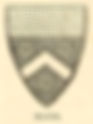
The Mayo Coat of Arms Click here to learn about this branch of my family #mayo #lydiamayo #ezekielmayo #oscarmayo
- Ships arriving at the Port of Philadelphia 1727-1808
The following is a list of ships arriving in Pennsylvania from 1727 to 1808, found in "Pennsylvania German Pioneers", by Ralph Beaver Strassburger. See also the Index of Captains. Alternate Link: https://archive.org/stream/pennsylvaniagerm44stra#page/215/mode/1up "Pennsylvania German Pioneers", by Ralph Beaver Strassburger Vol 1 2 3 #immigration #shiprecords #Pennsylvania #pennsylvania #Philadelphia #passengerlists
- Pennsylvania German Names of Females
Following is a list of Christian names of Pennsylvania German females and their variations. This helpful list was published in "Pennsylvania German Pioneers": Alternate link: https://archive.org/stream/pennsylvaniagerm44stra#page/248/mode/1up See other volumes of "Pennsylvania German Pioneers", by Ralph Beaver Strassburger CLICK HERE FOR MORE FREE GENEALOGY TIPS AND RESOURCES #Pennsylvania #pennsylvania #pennsylvaniadutch #German #immigrants #women39snames #girlsnames #namevariations #foreign
- Pennsylvania German Names of Males
Following is a list of Christian names of Pennsylvania German males and their variations. This helpful list was published in "Pennsylvania German Pioneers" Alternate link: https://archive.org/stream/pennsylvaniagerm44stra#page/229/mode/1up "Pennsylvania German Pioneers", by Ralph Beaver Strassburger #namevariations #boysnames #mensnames #German #Pennsylvania #pennsylvaniadutch #pennsylvania #foreign
- The Old Stone House at Port Jervis
Formerly known as "the old stone house in Germantown", the historic building at 127 West Main Street in Port Jervis will be 225 years old in 2018. Now owned by the Minisink Historical Society, the building was constructed of roughly hewn stone, with a peaked roof and a stone chimney on each end. A sign on the north end is carved with the following inscription: MD & MD C D M A S O A N 1793 The house was one and a half stories high, with alternate layers of logs and stone. The crevices were filled with a type of mortar made mostly from mud. The roof was made in layers. The first layer, by intertwining saplings, the second by those of a larger growth and filled with gravel. A thick coating of clay was applied to protect it from the elements. The interior contains four rooms on each floor, along with a spacious hall. Two large fire places, nine feet wide are located at each end of the building. The stone walls were plastered onto the 18" thick stone walls. Some of the floor boards are two-feet in width. The beams in the cellar are roughly hewn timbers. Stumps of wood believed to have been a portion of the stockade surrounding the fort have been discovered around the property. Before the stone house was built, the site was previously occupied by and old fort or block-house, which had been built prior to the American Revolution. A family from Holland by the name of Hayne, who had immigrated to this country in 1760, conducted a military and trading post there for many years, trading with the Indians. In 1779, when Col. Joseph Brandt made his famous descent upon the valley with a "horde of cutthroat Indians and tories", Captain Westfall, who had married a member of the Hayne family, was living there. After the war, he moved to Papakating Creek and died in 1765. The first child born in the house was a daughter of Captain Westfall, who married a settler named Peter Decker and later removed to Sussex County, New Jersey. Their descendants lived at Deckertown and Port Jervis. At some point, prior to 1793, the building was destroyed by fire. The foundation and a portion of the walls were still intact, and it was rebuilt in 1793. The first occupant in the new building was Mortimer Decker and family, whose initials were inscribed on the plate mentioned above. The family lived there until 1810, when Richard Decker, a relative of Mortimer, took occupancy. At that time a portion of the building was occupied by Samuel Stickney, "who conducted a crude grocery business". Here you can see the building in its present condition. Drag inside the image to look around at the surrounding buildings. (Alternate link) Later, the building came into the possession of John Kent, who lived there with his brother-in-law, William K. Stone, until 1817. In 1819, Catherine Stone, the wife of John W. Decker, was born there. Mr. Kent sold the stone house to Mr. Stephen St. John, who remained there until 1836, when he removed to the base of Mount William. There he spent the remainder of his life. In 1865, it was sold to John Cannon, who lived there until he died in 1883. It then passed into the hands of his son by the same name who was the owner in 1893 when it was occupied by Patrick Noonan and his family. This information was obtained from Rev. Dr. S. W. Mills and others, for a story featured in the Tri-States Union, a newspaper based out of Port Jervis, on June 1, 1893. Click here for more information about the Decker family. #decker #portjervis #NewYork
- Charles G. Decker's first marriage
Charles Gilbert Decker married Lydia Mayo, when he was about 34 years old. It has already been discovered, that Lydia had been previously married to Halloway Ames, but I hadn't considered the possibility of Charles also having been previously married. Then I realized it was possible, since most men were married in their early twenties. I did a little searching through the Lackawanna County marriage records, since he was born in Carbondale, and sure enough, I found a very likely match. It was a marriage license dated November 17, 1888. The groom's name ("Charles G. Decker"), his age (26), and his birthplace (Carbondale, Pennsylvania), all match the information on his death certificate. At the courthouse in Scranton, Charles married Isabel Whitney, the 20-year old daughter of E. B. and Caroline Whitney, also of Carbondale. The only piece of information which conflicts with Charles Gilbert Decker's 1909 death certificate, was that his father's name is given as "Charles Decker - Unknown". Perhaps when Charles died, his widow, Lydia did not know the name of his father and assumed his name may possibly have been Charles. However, on his marriage license to Isabel, his parents' names are given as "John I. Decker" and "Mary Decker". Being that Isabel was also from Carbondale, and both she and Charles were present for the marriage license application, there was no doubt who his parents were and they were clearly stated. Based on these comparisons, I am 99% sure this Charles G. Decker is the same Charles Gilbert Decker who married Lydia Mayo. From this previous marriage, we could possibly gain a few valuable pieces of information about Charles - the names of his parents, that he was still living in Carbondale until 1888, and that he was working as a Brakeman on the railroad. Any input you may have is welcome below. (Lackawanna County Marriage License #4767) Stay tuned to learn the fate of this marriage between Charles and Isabel. See the Decker page for more on this family! #Decker #decker #carbondale #CharlesGilbertDecker
- The Value of Slaves
Most of us have heard the horrific stories about slavery, the darkest period in American history, aside from the wars that were fought on our soil. Some of us have even seen "Roots", the original series, which tore at the heart of anyone who has one. But did you know there are diaries, journals, and first-hand accounts of plantation life in historical books and publications from the 1800s? Yes, the harsh realities of this inhumane practice are preserved forever on aged book pages. I discovered several while researching the Civil War and I must warn you, hearing the accounts of how these men, women, and children were treated is enough to make anyone angry. But who can we be angry at? My conclusion is that evil men are the ones to blame. Evil men of practically every race who bought and sold other human beings for profit. Evil men whose greed and selfishness overpowered their compassion and better judgment. The sale of African slaves didn't start with Americans, however. According to the book shown below, the Portuguese had been buying slaves from Africa since before Columbus set sail, and there may have been earlier accounts. Many other countries also bought slaves, and some treated them far more inhumanely than any slave in America, which we can probably credit to America being founded on Christian principles, although not all followed the faith. Some turned from their faith, valuing material possessions and wealth more than the favor of God. They coveted luxury more than they feared eternal damnation, and as the Scriptures warn, they were given up to evil devices as a result. The Civil War was a result of the North's opposition to such practices. The slaves in the south who were able to escape, fled to the north where they could be free. This was a major loss for those who had invested in slaves, some owning hundreds of slaves. You can also find actual catalogs, like the one shown here. A shameful account of the happenings at a slave auction, where men and women referred to as "chattel" were being sold for a few hundred dollars a piece. Note: $100 in 1859 was the equivalent of $2,814 in 2017, (Source). The young family shown here was sold for about $67,536 in today's currency, or $16,884 each. (Hopefully that's not the only reason I found no slave owners in my family!) The south wanted a president who was sympathetic to their agenda and threatened to secede from the Union if a Republican president were elected. When Abraham Lincoln became president, they attempted to do just that. In the end, the south lost and slavery was abolished. Following are just a few of the resources available to those interested in learning more about slavery in the United States: Catalogue of Slaves from the Waverly Plantation (Click here) Ferry Hill Plantation Journal 1838-1839 (Click here) Thirty years a slave. From bondage to freedom. The institution of slavery as seen on the plantation and in the home of the planter (Click here) Journal of a Residence on a Georgia Plantation in 1838-1839 (Click here) American Negro slavery : a survey of the supply, employment and control of Negro labor as determined by the plantation régime (Click here) What became of the slaves on a Georgia plantation? Great auction sale of slaves, at Savannah, Georgia, March 2d & 3d, 1859. A sequel to Mrs. Kemble's Journal (Click here) Click here to see more books about slavery on Archive.org. See also, "American Negro slavery : a survey of the supply, employment and control of Negro labor as determined by the plantation régime", shown below. The informative book below gives a history of how, when, and where slavery began in America. Alternate link: https://archive.org/stream/americannegrosla00phil#page/n16/mode/1up Click here for more genealogy resources and tips!! #slavery #slaves #oldsouth #confederate #plantations #ancestry
- History of Pennsylvania Reserve Corps
On November 7, 1860, Abraham Lincoln was elected President of the United States, to the displeasure of southern confederates who had threatened to secede from the Union if a Republican president were elected. The influential people of the south insisted on selecting their own Democratic leader, one who would support slavery and enable them to maintain their wealth, status and power. Lincoln was to be inaugurated on March 4, 1861. This left James Buchanan, Lincoln's predecessor, and his administration four months to sabotage the U.S. government from within. Howell Cobb, the Secretary of the Treasury, was a slave owner from Georgia. He left the treasury empty and destroyed the nation's credit. John B. Floyd, of Virginia, was Secretary of War. He emptied arsenals in the north, transferring vast quantities of weapons and ammunition to the south. They were setting the stage for a rebellion and the division of a nation. One month after Lincoln's inauguration, on April 12, 1861, an army of more than two thousand men attacked Fort Sumter, in Charleston Harbor, South Carolina. With less than a hundred men in the fort, they resisted for two days, before finally surrendering early on April 14th. The following day, President Lincoln issued a proclamation calling for 75,000 militia to serve a 3-month term in a war against the rebels. In Pennsylvania, twenty-five regiments were organized promptly, although the Commonwealth was only required to provide fourteen. Many more volunteered, but were turned away by the War Department, their quota having been met. Then, Pennsylvania Governor, Andrew G. Curtin, recommended the immediate organization of fifteen regiments of defensive troops to guard the state's southern border. On May 15, 1861, the Act was passed by Legislature, providing for the organization of the "Reserve Corps of the Commonwealth". Thirteen regiments of infantry, one regiment of cavalry, and one regiment of artillery would train and be on hand to protect their borders and citizens. This was an opportunity for 15,000 more men to join the fight. They were instructed to convene at camps established at Chester, Easton, Harrisburg, Pittsburg, and West Chester, and await military instruction. The number of men who volunteered in Pennsylvania greatly exceeded the number required. Although the purpose of the Reserve Corps was to defend Pennsylvania, on June 22, 1861, two regiments were dispatched to Maryland to help defend their borders. Then, after suffering heavy losses at the battle of Bull Run, there was an urgent need for reinforcements. The following month, 11,000 men of the Reserve Corps were quickly transported to Washington, and within a few days every man in the Corps - 15,856 of them, were mustered in as soldiers of the Army of the Potomac. From there, the Civil War ensued and in the end, the confederates were defeated. Had they won, Americans would be in the hands of rich, powerful men who think nothing of human life, except what those lives can do to benefit them, similar to the mindset of some people to this day. This book, "History of the Pennsylvania Reserve Corps: a complete record of the organization; and of the different companies, regiments and brigades containing descriptions of expeditions, marches, skirmishes and battles, together with biographical sketches of officers and personal records of each man during his term of service", contains the names of the brave patriots who helped restore the freedom of all Americans. Much honor and respect is due these men. Read it here: Direct link: https://archive.org/stream/historyofpennsyl00syph#page/n10/mode/1up Click here for more genealogy tips and resources! #slavery #civilwar #union #military #militaryrecords #Pennsylvania #pennsylvania
- Find surname variations and Soundex codes
This handy tool, provided by RootsWeb, allows you to find the known variations of any surname. This is most helpful when searching archaic records, which may easily contain spelling variations written intentionally or unintentionally, and often do. The Soundex Code is a method of connecting name variations and essentially unifying them as if they were the same surname. It is used to index census and other records, but not all search engines use the Soundex system. If, when searching sites for genealogical data, you cannot find a person with the proper spelling, try using variations of the name, instead. Try it! Enter any surname: (If it doesn't work, try this alternate link) Click here for more genealogy resources! #namevariations #surnames #lastnames #Christiannames #soundex
- Deckers of Luzerne County 1850
The following Deckers were counted on the 1850 census in Luzerne County, Pennsylvania, including the towns which are today considered part of Lackawanna County. In 1850, there were 158 Deckers in Luzerne County. These are the heads of household followed by their approximate birth year and given birthplace. Other people in the home are included but the 1850 census did not inquire on the relationship of household members. The 1860 and 1870 census may help fill in some gaps. In Abington: Stephen Decker b. 1785 NJ + Lovisa Decker, Frances C Decker, and William Decker b . 1835 PA. Nathaniel Decker b. 1819 PA + Elizabeth Decker, and Giles E Decker b. 1850 PA. Harvey F. Decker b. 1842 PA and Ellen Decker b. 1844 PA. These were two children in the home of Julius & Mary Skinner. James Decker b. 1829 PA living in the home of Silas & Sarah Wheeler. Ursula Decker b. 1838 PA, a young girl in the home of Job Gorton. In Blakely: John Decker b. 1798 NJ + Elijah B Decker, Michael I Decker, Susan A Decker, Phebe Beames (John Decker's Will dated 1863 Book C, Page 531 From index) Luke Decker b. 1811 NJ + Sarah Decker b. 1822 NJ, John Decker b. 1843 PA, Phebe E Decker b. 1846 PA, and Andrew Decker b. 1849 PA. ("John VANDENBURG m/Mrs Pheby E. DECKER on 10 Dec 1868 in Pittston. Both were from Newton Twp." - Pittston Gazette) Matthew Decker b. 1816 NJ + Judy Decker, Lucas R Decker, Susanna Decker, Stephen Decker, Martha Decker, and Michael Decker. George Decker b. 1821 Germany + Martha Decker b. 1832 PA, Elizabeth Decker b. 1850 PA, John Decker b. 1825 Germany. Samuel Decker b. 1795 NY + Margaret Decker, Lewis Decker b. 1835 PA, Harvey Decker b. 1837 PA, and John Decker b. 1842 PA. In Carbondale: Isaac Decker b. 1826 NY + Mary E. Decker and Mary T. Decker. Cornelius Decker b. 1804 NY + Phebe Decker b. 1806 NY, Rachel Decker b. 1837 PA, and Nancy Conyngham b. 1833 PA. In Greenfield: Wm Decker b. 1814 NY + Fanny J Decker, Wm N Decker, Mary J Decker, Julia A Decker, Isaac S Decker, Fanny M Decker and Aaron Decker. Benjamin Decker b. 1819 NY + Cynthia Decker, Almira Decker, Cynthia A Decker, Sarah J Decker, B F Decker, Joshua Voit, Elizabeth Voit, D. A. Sece and Martin Sece. Moses C. Decker b. 1825 PA + Hannah A Decker, Silas Decker, Charles Decker Stephen Decker b. 1810 NY + Susannah Decker, Moses B Decker, Stephen C Decker, Tamar I Decker, Huldah Decker, John J Decker, Rhoda Decker, Lewis D. Decker, and Harriet Decker. Chancey Decker b. 1820 NY + Eliza Decker, N R Decker, E A Decker, Ira I Cobb Benj Decker b 1791 NY + Mary Decker and Ann Decker. In Lackawanna (now Moosic): John I. Decker b. 1812 NY + Delila Decker, Sarah Decker, Martha I Decker Philip Decker b. 1835 PA. He was a teen in the home of Samuel and Delila Davis. Chauncy Decker b. 1824 PA + Betsey M Decker b. 1830 NY, Charles Decker b. 1848 PA. In Newton: Henry S. Decker b. 1801 NJ + Mary Decker, James W Decker, Anze Decker, Secelin Decker, Susanna Decker, Sarah A Decker, Samuel Decker, Oliver Drake, Almina Decker, Henry V Decker, Elijah Decker, George W Decker and Belinda Decker. Joseph Decker b. 1799 NY + Hannah Decker, Alonzo Decker b. 1833, Wm N Decker b. 1836, Mary J Decker b. 1838, Andrew J Decker b. 1840, M C Decker b. 1842 and Sencretin A. Decker b. 1848. In Pittston: Porter Decker b. 1842 PA. He was a child in the home of John & Mary Marcy. Anna Decker b. 1777 NY in the home of Eliza Day b. 1818 NY. Andrew Decker b. 1802 NY + Hannah Decker, Phillip Decker b. 1835 PA, Lafayette Decker b. 1838 PA, Andrew Decker b. 1843 PA, Chancey Decker b. 1845 PA, Olive Decker and Andrew Sh__ Charles Decker b. 1818 PA + Elizabeth Decker b. 1796 PA in a home with various other names including Joseph Klutz b. 1827 In Providence (now northern Scranton): Isaac Decker b. 1829 PA Lewis Decker b. 1832 PA + Joseph Decker b. 1834 PA and Jeddiah Decker b. 1836 PA. Mary Smalley b 1820 + Darna Decker b. 1840, Harry T. Decker b. 1842, William Decker b. 1845, Abm Decker b. 1846 and Francis L. Wolcott b. 1849. Benj Decker b. 1830 PA., Charles Decker b. 1820 PA, and Lewis Decker b. 1831 PA + dozens of other people of a variety of names. George Decker b. 1814 + Catharine Decker, William H Decker, Martin Decker, Harriett Decker, Mary E Decker, Eliza A Decker In Scott (formerly Greenfield): William Decker b. 1824 NY + Catherine Decker b. 1826, William Decker b. 1787, Effie Decker b. 1790, Ezra Decker b. 1832, Esther Decker b. 1833, Jane Decker b. 1845, Giles Decker b. 1829, Helen Decker b. 1831 and Chas Decker b. 1848. Ebenezer Decker b. 1829 NY + Lydia Decker and Finas Decker b. 1836 NY. In Wilkes-Barre: John Decker b. 1820 Germany ------------------------------------------ * Also, in Lake Twp - Kocher Cemetery: Jacob H. Decker (1828-1906) age 78 [http://files.usgwarchives.net/pa/luzerne/cemeteries/kocher-cem.txt From index] See the Decker page for more information about the Decker family. #otherdeckers #Decker #decker #Luzernecounty #LackawannaCounty #Pennsylvania
- Introduction to Genetics
Genetics are nothing short of amazing. Watch this video giving a brief but well illustrated summary: #DNAtest #genes #DNA #mitochondria #genetics
- J. Dickinson of Manchester, England
My great-grandfather's mother, Annie (Robinson) Dickinson, was born in 1870 in Manchester, England. Manchester is near Sheffield, where her future husband, Harry Dickinson, lived. He was the son of John Dickinson, a hammersman of Sheffield. While researching the Robinson family of Manchester, I stumbled upon a glass bottle for sale on eBay. It was embossed with two key words that quickly got my full attention: "J. Dickinson & Co." and "Manchester". In the center, between the word "Trade-mark" appears a large "D" with "& J Co" in it. Complete with what appears to be a wooden stopper (safely stuck inside the bottle), this mysterious relic could be connected to the family somehow. I had to have it! Lucky for me, no one else was interested in outbidding me. It was shipped directly from Manchester! In examining the bottle for clues, the first indicator that it was made in the 19th century is that it has seams going up both sides. There is a number "432" embossed on the bottom and on the back it says: Nuttall & Co - Makers - St Helens Nuttall & Co. bottle making business was in operation from 1873 to 1913 when the company merged with Cannington, Shaw & Co. and became United Glass Bottle Manufacturers. According to the Society for Historical Archaeology, the "Nuttall & Co" mark indicates it was made between 1872 and 1890s. I found similar bottles referred to as Codd bottles and a stone bottle by the same J. Dickinson, referred to as a ginger beer bottle. So many questions remain! Who was this J. Dickinson? What was he selling in these bottles? Anyone with information about this, please share in the comments below. For more on these families, see the Dickinson page or the Robinson page. #Manchester #England #Dickinson #robinson #mystery #bottle #antique #foreign
- Variations of the Decker surname
According to The Soundex system, variations of the Decker surname include: DACRE DAGGER DASHER DECKER DECUIR DICKER DISHER DOCKERY DOCWRA DOZIER DUGGER The Soundex system used by genealogists to identify variations of names. It is used to index names in US Census records, which often contained misspellings. The Soundex code for Decker is D260. Find the Soundex code and known variations for any surname here: (Alternate link) #Decker #decker
- Knowlton Manor mixup
The Knowlton name has been traced back to the time of William the Conqueror, 1066-87. The estate now called Knowlton Court, east of Canterbury, was originally granted to the Conqueror's brother. Knowlton Genealogy states that Richard Knowlton was born in 1553, "probably at Knowlton Manor, which is situated about six miles from the great cathedral at Canterbury, Kent County, England". A book called Knowlton Ancestry, by C.H.W. Stocking of Freehold, New Jersey, 1897, is full of information about the family, but unfortunately it has recently been proven that Stocking's work has many errors. An errata edition titled Errata and Addenda to the Knowlton Ancestry was published abt. 1903 by George H. Knowlton, but still wasn't completely accurate. Finding the truth in records proves difficult, if not impossible, since parish records of the period were burned by Oliver Cromwell. In researching the location of Knowlton Manor, I found Knowlton, located nine miles east of Canterbury Cathedral. Knowlton Court's website, claims the great house there was built in 1585 by Sir Thomas Peyton Baronetcy, making no mention of the Knowltons. According to the Domesday Book, the estate was originally granted to a brother of William the Conqueror. Richard married Elizabeth Cantize on July 17, 1577. It is said that they had four children. Mr. Stocking's book claims their youngest son was Capt. William Knowlton, but recent Y-DNA testing is said to have refuted this claim. The tests also indicate that William and John Knowlton of Ipswich were not brothers. Furthermore, George and Stephen were not William's brothers either. St. Dunstan's parish registers contain the records of the christening of "John, Son of Rychard Knowlen", born Feb. 21, 1584. Whether or not William Knowlton was related to the Knowltons of Kent has yet to be determined. Anyone with documentation of the Knowlton family, please comment below. To learn more about the Harvey/Knowlton connection, see the Harvey page. #harvey #Harvey #reese #Reese #stowell #Knowlton #Abbey #Abbe
- Oscar Mayo dies playing quoits
Oscar Mayo was born on January 25, 1851, in Pennsylvania, where he lived all his life. He died while playing a lawn game called quoits. Quoits was popular among coal miners and to this day the klink of quoits hitting metal stakes can still be heard in Pennsylvania backyards at picnics and family gatherings. Similar to horseshoes, players toss a ring onto a metal stake. Oscar was playing quoits at his friends house on September 9, 1937, when he suddenly died. The cause of death was Coronary Thrombosis, a blood clot in the coronary artery. He was 86 years old. He was buried in Prospect Hill Cemetery in Peckville (Block 5, Lot 4-1/4). Oscar's death certificate is shown here. A photo of his obelisk shaped tombstone can be seen on Findagrave. Click here for more on Oscar Mayo and his family. #oscarmayo #mayo
- How race was developed
Unbeknownst to most people, the origins of mankind are very thoroughly documented. Many people can trace their lineage all the way back to Adam and Eve and modern day DNA tests are proving the Scriptural genealogy accounts beginning in Genesis 5:32 to be true. Genesis 5:32 gives a detailed genealogy from Adam and Eve all the way to Noah and the time of the Great Flood. All those "begats" that seem so pointless and redundant when you're reading the Bible are very specific details that are confirmed in bloodlines today. Noah's Ark is not a myth, like some people choose to believe. The Bible describes Noah's Ark landing on Mount Ararat in modern day Turkey. There is a site near the mountain some are claiming was the site but I personally don't believe it is the true site. I have seen aerial video footage and photographs with my own eyes showing the outline and pieces of the gigantic ship encased in thick ice atop the mountain. Either way, it was or is there somewhere. Some say it is buried in ice, which I believe. Yahweh does not want us to believe and trust in Him because with have seen proof with our eyes. If he wanted that, He could easily do that, but he is looking for fellowship, companionship, and love. He created us and knows that love cannot be commanded with force. He gives us the choice, created our world, and is allowing us to live right now. Noah's sons were Shem, Ham and Japheth (Genesis 5:32). Japheth (Genesis 10:1-5) Light Skinned (white) - went north into modern day Europe and Russia. One son, Gomer, is believed by some scholars to be the patriarch of Germany. Mesech, is believed to be Moscow. Greece and Great Britain. The word Caucasian derives from the Caucus mountains of Russia. Spain was occupied by Japheth but was invaded by Muslims (Shem's). Ham (Genesis 10:6-20) Dark Skinned - went south to Africa, Babylon, Ethiopia, Kush, Misraim (Egypt), Put, Canaan. See 1 Chronicles 1:11-12 for Mitsrayam and the Philistines. Psalm 78:51, Jeremiah 13. Shem (Genes 10:22-31) - went east to Uz (Job), Eber (Gen. 11:17-25) was the ancestor of Abraham, ancestor of the Hebrew people. The term anti-semites, or people against the Jews, derives from Shem (anti-Shem-ites). Some scholars claim that some of them went east to Alaska and America, being the ancestors of the Native American Indians and other ancient cultures. In summary, like Rev. Breaker explains here, no one's blood line is 100% pure today. Our tribes have mixed, moved around and mixed some more and are still mixing today. It's not our own blood or ancestry that will redeem us in the afterlife. Hebrews 13:12, Ephesians 1:7 and 2:13 reassures us that only the blood of Christ can make us Holy (Heb. 12:14) enough to see Yahweh. Furthermore, if everyone realized we are all one big family, the world might be a better place. #races #ethnicities #ethnic #foreign #nationality #history
- Ens, Netherlands - Origin of the Ensign Family?
Prior to their arrival in Chilham, England, the Ensign family is believed to have lived on the isle of Schokland in the village of Ens. Today it is located in the Dutch province of Flevoland, Netherlands. It was a peninsula that had become an island by the 15th century, but had to be evacuated in 1859. "The Ensign Family is probably of Frisian or Danish origin, its eponymous ancestor in England being, we may assume, one of the early invaders of the British isles who in the period of the Teutonic migrations settled in Kent. It is likely that he was called Ens, from the name of his former home, a small fishing community on the isle of Schokland in the Zuyder Zee (Zuiderzee), included in the region then known as Frisia and now a part of the Kingdom of the Netherlands." [*F] Read more: The landscape of Ens has changed significantly. Ens shared the island of Schokland with Emmeloord in the past. The island is shown in yellow in the map below. A land restoration project has since added 580 square miles of land around Ens, connecting it to the mainland and forming the province of Flevoland. A documentary about the project is posted on YouTube, shown here: Another excellent video gives a history of Schokland: Zoom in to look around or go to street level to view the village. Remains of The Church of Ens can still be seen. Schokland and it's surrounds are a UNESCO World Heritage Site. My family's Ensign ancestor, James Ensign, is reported to have been the first Ensign to come to America. He settled in Cambridge, Massachusetts, sometime before 1634, when he removed to Hartford, Connecticut, with Rev. Thomas Hooker's party. He was one of the organizers of the Second Church there. James Ensign died in November of 1670 and his wife, Sarah, died in May of 1676. Their descendants in America are numerous. Sources: Record of the descendants of James Ensign and his wife Sarah Elson, 1634-1939, by Nelson, Martha Eunice Ensign, 1888- (Read) Genealogiae; or, Data concerning the families of Morse, Chipman, Phinney, Ensign and Whiting, by William I. Morse (Read) See the Harvey page for more information about the Ensign family. #shirley #Netherlands #Dutch #foreign #Ensign
- Moody Genealogy to the Harvey family
Learning new things about my ancestors is what I love most about genealogy. Each clue is another piece to the "Where did we come from?" puzzle, which is seemingly infinite and ever-expanding. Each ancestor made choices that impacted our lives, even today. While writing this blog about the Moody family, I learned about my most influential ancestor, Edmund Moody. Family or not, he probably influenced your life, too. Edmund was my 14th great-grandfather on my mother's side. He wasn't a King or an Emperor, but in one single day of his life, he seems to have altered the course of history forever. The story is almost 500 years old, so varying accounts remain, but from what I have gathered, it all started in the 19th year of the reign of King Henry VIII, who was then about 33 years old. The King was practicing a sport called "Hawking", a method of bird hunting. At one point, Henry was out of the sight of his party, in hot pursuit of his prey. He carried with him a long pole, and while attempting to pole-vault across a creek, the pole snapped in half just as he was mid-air. He fell head-first into the muddy clay below. In one account, he was said to have been unconscious, with his head in the mud. In another, he was flailing and struggling to escape, but was trapped by foliage and the muck of the clay mud. At any rate, Edmund Moody, was the only person around and he promptly rescued the King from the mud. He was later knighted and granted a coat of arms for his heroism. After this event, Henry realized the urgency of producing a male heir to succeed him. With his wife, Queen Catherine of Aragon, he had only one daughter, Mary, and Catherine passed the age of child-birthing. Soon, Henry fell head over heals for Anne Boleyn, a younger woman who he was sure would produce a son. He appealed to the pope for a divorce from his Spanish queen, but his request was denied. Henry was not taking no for an answer. He responded by removing the Church of Rome from England. He ordered all the monasteries and churches shut down and replaced them with the new "Church of England", with himself as it's Supreme Head. About nine years after Moody's rescue of the King, Henry commissioned the first English translation of the Holy Scriptures, The Great Bible. Three other translations were made before the King James Version commonly used today was completed in 1611. Meanwhile, those who refused to convert and dissenters of the new church were charged with treason and heresy, often punishable by death. Clergymen who refused to enforce the doctrines of the Church of England were stripped of their titles and forbidden from even entering villages, for fear that they would influence more parishioners to rebel. It was this force of power that fueled the Protestant Reformation and other movements, as people searched to find the truth and the freedom to practice their faith according to their beliefs. Later, the Puritans and Pilgrims and many others would leave the land of their fathers for the New World to avoid punishment and to create a new land, one with God as it's Supreme Head and Sovereign. In the end, Henry regretted providing the people with the translation of God's Word, because it caused much rebellion and turmoil in the country as people discovered the truths that had been hidden from them. If King Henry VIII had died in the creek that day in 1524, England and Christianity would almost definitely be much different today. With Queen Catherine and her daughter, Mary (both devout Catholics) on the throne, surely England would have returned under the authority of the Vatican. The English wouldn't have received the Bible translation. In fact, during Mary's five year reign (1553-1558), she imprisoned Protestant churchmen and executed around 800 protestants in 1555 alone. The English may have never left the United Kingdom for the New World. America could be under the control of England, France, or another nation right now. The possibilities are endless! What a destiny Edmund Moody fulfilled. Moody - Reese Genealogy Generation 1 Edmund Moody (or Edmond Moodye, Mowdye, Modye, Mody, etc.) of Bury St. Edmunds, in Co. Suffolk, was knighted and granted arms by King Henry VIII on October 6, 1541. He is said to have been the son of Edward Moody. After Edmund was rewarded for saving the life of King Henry VIII "he left the court and lived at St. Edmunds Bury." The story is described in the old English novel, "Darnley", by G.P.R. James. In this work seemingly of historical fiction, the main character is Sir Osborne, who appears to be the central figure in many of the stories, which, aside from the names, are for the most part true. The author names Vonderbrugius as his source, another fictional character who "justifies" the use of the false names in the novel. [Source] Generation 2 Richard Moody was born in 1528 in Fryettes, Moulton, Suffolk, England. Moulton church records show that a man by the name of Richard Moody was buried there on April 28, 1574. His widow, Ann (1525-1577), married Edward Coult about five months after Richard's death, on Sept. 6, 1574. Richard and Ann's children were: George, Margaret, Mary, Judith, and Thomasyn who married Henry Smith. [Source] His sons were: George (1559-1607), mentioned below Robert (1563), had sons: George of Sudbury, who married in 1601 to Mary Bacon, and William of Sudbury who married in 1603 to Agnes Collyn. John, had children: Richard, Anne, John who died before 1637, and John. Edmund (1570), Had children: Anne b. 1599, Richard b. 1602, and Margaret b. 1615. Generation 3 George Moody of Moulton, Suffolk Co., England, was baptized at Moulton on Sept. 28, 1560. He lost his father when he was 14 and his mother when he was 17. He married Margaret Newce, daughter of Walter Newce. She was born on Nov. 1, 1568 in Moulton. Margaret, his wife, was buried Jan. 25, 1602. He died on Aug. 23, 1607. They had the following children: Elizabeth, bp. Oct. 2, 1582, married in 1610 to John Pratt, father of John Pratt, early Settler of Connecticut Frances, bp. Oct. 11, 1584, married Thos. Kilbourne, Sept. 5, 1604. George, bp. Feb. 19, 1585/6, of Moulton, (married Lidda Hovell alias Smith? Source), died 1652 Sarah, bp. May 8, 1589, married William Cooke of Bury Samuel, bp. March 31, 1592, married Mary Boldro. Their daughter Mary married John Browne, alderman of Bury, died 1658. [Read] Sons: George (1616-1695), Samuel (1620), John of Ipswich (Co. Suffolk), and Thomas (1627-1645). John, bp. April 8, 1593, died abt. 1655, mentioned below Margaret, bp. July 19, 1595, married Major Westhorp of Hundon. Ann, bp. Sept. 5, 1599 Mary, bp. Jan. 25, 1602 Source: Historical notes concerning the Moody family [Click here to read more]. Generation 4 Dea. John Moody (1593-1655) John Moody, was born in England in 1592 or 1593. He came to America in 1633 and settled in Roxbury, Massachusetts, first. In 1635 he represented the General Court at New Town (now Cambridge), and he moved to Hartford in 1640, where he was among the first settlers. His home was located on the spot that would be later called Wylly's Hill, and was replaced by the South Congregational Church. John's home was "40 rods west of what afterward became the Charter Oak" (one city block). He was a church Deacon and served various positions of public office. He was also Lieutenant in the the Militia. He died in Hadley in 1655. His estate was valued at 300 pounds, 14 shillings, all of which was given to his wife and son, Samuel, except 25 pounds which was given to Elizabeth Piper, a servant. Sarah, his wife, died in Hadley on Nov. 4, 1671. Genealogical Gleanings in England (Read) The family tree : seven hundred years of Moody ancestors p. 71 (Read) Some genealogical notes regarding the Moodys of Co. Suffolk, and America (Read) Findagrave Bio. Sketches of the Moody Family (Read) History of Hadley (Read) Note: There was a man named William Moody who arrived in Ipswich in 1633 and moved to Newbury. He had a son named Samuel born abt. 1630, and others. [Source] Generation 5 Samuel Moody, (1634-1689) the only surviving child of John and Sarah (History of Hadley), was born in 1634 and removed to Hadley in 1659. He died there in Sept. 22, 1689. He married Sarah Deming, daughter of John Deming of Wethersfield. Samuel had three sons: John Moody, mentioned below. Samuel Moody, Jr. (1670-1744), was born Nov. 28, 1670, in Hadley, Hampshire County, Mass. He married Sarah Lane, daughter of Sarah Dickinson and Samuel Lane. (Source?) She was born May 7, 1680 in Suffield, Hartford County, Connecticut. He died Nov. 10, 1744 in Hadley, where she also died almost 15 years later, on June 22, 1759. John Moody (1702-1769) Jonathan Moody (1708-1798) Capt. Ebenezer Moody (1675-1757), married Editha Kellogg (1683-1757) and had children: Ebenezer (1707-1790), Sarah (1709-1789) who married Chileab Smith, Joseph (1712-1803), Daniel (1715-1792), Josiah (1721-1794), Editha (1722-1793) who married Joseph White, and Miriam (1733-1770) who married Reuben Smith. and three daughters Generation 6 John Moody (1661-1732), returned to Hartford and married Sarah Evetts (or Evarts) in 1700 and had five children. He died in Hartford in 1732. (Findagrave #156932918) Generation 7 Sarah Moody, daughter of John and Sarah Moody, was born May 21, 1702, and died March 10, 1776 at West Hartford, Connecticut. She married David Ensign, son of David and Mehitable Ensign. (See my previous post, Ensign Genealogy). Generation 8 Datus Ensign, sometimes spelled "Datis", son of David and Sarah, was born September 22, 1729 (or 1727) in Hartford, Connecticut. He married Lucretia Seymour on August 1, 1750. She was born August 1, 1730. According to the source, they were married on her 20th birthday. She was the daughter of John Seymour and Lydia (Mason) Seymour. In Hartford records, a record from 1752 reads, “Datis Ensign may build a dam for a fulling mill on his property” in Hartford. A fulling mill was used for converting light cloth into heavy cloth, such as canvas and the cloth used for sails. They lived in New Hartford, Connecticut, and in Westfield, Massachusetts. ). Datus the elder died on the 11th of November, 1787 at Westfield. Lucretia died April 22, 1814. Together they had five children: Datus (mentioned below), Lucinda, who died young, Isaac, Lucretia, and Sarah, who married Thomas Ashley. Generation 9 Datus Ensign, son of Datus and Lucretia, was born in May or June of 1752 in Westfield, Hampden County, Massachusetts. He married Abigail Woolworth, on February 9, 1780, in Westfield. She was born in May or June of 1754, in Murraysfield, England, and died on Dec. 28, 1825. During the American Revolution, Datus Ensign was in Capt. David Moseley's Company from Westfield in Nov 1776 and also Sept and Oct 1777. He died in 1832. Both he and his wife died in Boston, New York. Boston is a town in western New York, near Buffalo. Together they had nine children: Seymour, Reuben, Datus, John, Aaron, Royal (mentioned below), Abigail, who married William Walker, William, and Hiram A. Ensign. Note: His name is alternately found as Datis Ensign or Datus Ensingn (sic). Generation 10 Royal Ensign, son of Datus and Abigail Ensign, was born on January 22, 1792 in Westfield, Hampden County, Massachusetts. He married 1st to Polly Warner Rood of Plainfield, on May 26, 1814. Polly was born on May 11, 1789, and died on Feb. 9, 1822. With Polly, Royal fathered three children: Ozia, Datus W., and Ezra R. Ensign. He married 2nd on Sept. 27, (year?) to Mrs. Sally Rood. Sally was from Plainfield and was born on Aug. 30, 1796, at Bristol, New York. She died on Feb. 14, 1875. Royal and Sally had four more children: Mary Parthenia Ensign, who married Seba Johnson, Ezra Rood Ensign, Esther Abigail Ensign, (mentioned below), and Sarah Ann Ensign, who married John Q. Talbot. They appear to have moved to Lisle, Broome County, New York between 1826 and 1828. Royal died at the age of 76, on the 11th of September, 1868, in Lisle and was buried in Hunts Corners Cemetery in Lapeer, Cortland County, New York. Sally died on the 14th of February, 1875, at the age of 78. Generation 11 Esther Abigail Ensign, daughter of Royal and Sally Ensign was born August 27, 1826, in Herkimer, New York. She married John Shirley, son of Bradford Shirley and Parthenia Stanton, on December 31, 1844, at Lisle, New York. He was born in March of 1822, possibly in Lisle, and was a farmer. Together they had two sons. In 1850 and 1850 they were living in Richford, Tioga County, New York. According to the Ensign Genealogy, she died 4 Aug 1864, in Richford. Her gravestone at Hunts Corners Cemetery in Lapeer, Cortland County, New York is barely legible, but it appears her death date is inscribed as 1 Aug 1861 at the age of 37 yrs, 11 mos, 22 days. If this is true she was born 10 Aug 1823. If the Ensign genealogy has her birth date right and the age on her gravestone is also accurate, her death date would have been 18 Aug 1864, so there is some confusion regarding her exact dates and which is true has yet to be determined. After Esther died, John married a woman named Elizabeth, who was born abt. 1832 and died on the 9th of August, 1886, in Cortland. In 1870, 1875, 1880, and 1892, he was listed on the census in Cortland, and in 1900, at the age of 78, he was widowed, living in Harford. He gave his parents’ birthplace as Massachusetts. He died at the age of 80, on the 31st of January, 1903, in Sempronius, Cayuga County, New York. (See my Shirley page) Generation 12 Royal J. Shirley, son of John Shirley and Esther (Ensign) Shirley, was born on May 19, 1851 in Richford, Tioga County, New York. He married Mary, whose last name has evaded us so far. Royal died three years later, at the age of 76, on the 6th of April, 1928, in Groton, Tompkins County, New York, and was buried at Willow Glen Cemetery. Generation 13 Gertrude Esther Shirley, daughter of Royal Shirley and Esther Ensign, was born on August 4, 1878. She lived in Cortland, New York, when the 1892 N.Y. State Census was taken. There was one younger sister, May Shirley, age 11, in the home at the time. On February 23, 1898, at the age of 19, Gertie married Archibald “Arch” Bell in Harford. Arch and Gertie were divorced before 1904 and Gertie married Newman Archelaus Harvey on the 9th of January, 1904. They raised three daughters and were active in the church. Gertie was a member of the Red Cross and a minister of the gospel. Her mother died on February 7, 1937, and Gertrude followed her eight months later, on the 9th of October, 1937. She was 59 years old and is buried in Willow Glen Cemetery, where she was joined later by her husband. Generation 14 Mary E. Harvey, daughter of Newman and Gertrude Harvey, was born on March 16, 1910, in Newark Valley, Tioga County, New York. Perhaps the photo shown below (Gertrude with three daughters) was taken in Newark Valley, where the family was counted on the census in 1910. In 1920 they were living in Dryden, and in 1930 they were living in Groton but four days after the census was taken, on April 14, 1930, Mary married L. John Reese, son of Maynard Reese and Ada Temple. She was 20 years old and was employed as an inspector at Smith Corona typewriter factory. John and Mary divorced and Mary married second, William H. “Bill” Gaul Sr., on the 19th of October, 1962, at Dryden, New York. He was born on the 24th of November, 1897, in Bloomsburg, Columbia County, Pennsylvania. Bill Gaul died in 1980 in Ithaca, Tompkins County, New York. Mary died from colon cancer, on the 22nd of September, 1988, at Cortland Memorial Hospital in Cortland, New York. Her funeral was held two days later and her remains rest at Willow Glen Cemetery (Lot 19-39), in Dryden, Tompkins County, New York, with her sisters and parents. Mary and John had three children: Lloyd, Harold, and Maryruth Reese. (See my Harvey page or Reese page) Sources: Record of the descendants of James Ensign and his wife Sarah Elson, 1634-1939, by Nelson, Martha Eunice Ensign, 1888- (Read) To the descendants of Thomas Dickinson, son of Nathaniel and Anna Gull Dickinson, of Wethersfield, Connecticut, and Hadley, Massachusetts, by Frederick Dickinson, 1897 - (Read) History of Hadley, including the early history of Flatfield, South Hadley, Amherst and Granby, Massachusetts, by Judd & Boltwood, 1905 - (Read) Kingsbury-Bush : American ancestry of Wayland Briggs Kingsbury, son of Joseph B. and Hannah Brown Kingsbury, of Windham Co., Vt. and Osage, Iowa, and Flora Jane Bush Kingsbury, daughter of Alva and Eliza Moore Bush of Chautauqua Co., N. Y. and Osage, Iowa, by Forrest Kingsbury, 1958 (Read) Colonial History of Hartford, by Rev. William D. Love, 1914 - (Read) Biographical Sketches of the Moody Family, by C. Moody, 1847 - (Read) Historical Notes Concerning the Moody Family, by Herbert A. Moody, 1947 - (Read) Vital Records for the Town of Hartford from NEHGR Vol. 22. p. 195 - Moody births (Read) Some genealogical notes regarding the Moodys of Co. Suffolk, and America - (Read) NEHGR Vol 39 p. 69 The family tree : seven hundred years of Moody ancestors - (Read) Bury St. Edmunds, St. James parish registers (Read) See also http://dickinsonfamilyassociation.org/ See also David L. Moody's information on Edmund Moody (Click here) See also the Moody Rootsweb page which possibly features the true coat of arms for Edmund Moody, in full color. (Click here) Note: This is not a complete genealogy. It is the line of descent from Edmund Moody to my great-grandmother, Mary (Harvey) Reese. Corrections and/or additions are welcome in the comments below, or by contacting me. Updates will be made to this page as more information is recovered. #Moody #Harvey #ensign #shirley
- Ensign Genealogy to the Harvey family
The Ensign family is believed to have been of Saxon origin, with its progenitor hailing from a small fishing community on the isle of Schokland in the Zuiderzee (Zuyder Zee, meaning Southern Sea in Dutch). The Zuiderzee is a shallow bay of the North Sea. The region is part of the Dutch province of Flevoland in the Netherlands. The region, formerly known as West Frisia, or Friesland, was the traditional homeland of the Germanic tribe of people called the Frisii, who began settling there in the 6th century B.C. Archaeological evidence shows Frisian presence since the Early Middle Ages. They were descendants of the Anglo-Saxon immigrants from the German Bight. They may have been among the early invaders of England who settled in Kent during the Teutonic migrations. See my blog entitled Ens, Netherlands - Origin of the Ensign family for more information. The first trace of the name in England, was found in Chilham, near Canterbury, England, abt. 1563. See my previous blog entitled "Chilham Castle", where you can have a look around. It is suspected that the fellow who arrived in Chilham was called Ens, after the name of his former Dutch home. The suffix -ing was an old English term meaning descended from, which explains why in many early records, the name was written Ensing. North of Chilham, there is a hamlet called Ensden, "a contradiction from Ensingden. It would appear, therefore, that at an early date an Ensing made his abode in a wooded vale, called in Old English a "den". Ensign Genealogy Generation 1 James Ensign, married Sarah Elson Generation 2 David Ensign Sr, married Sarah (Wilcox) Long Generation 3 David Ensign Jr, married Sarah Moody Generation 4 Datus Ensign Sr, married Lucretia Seymour Generation 5 Datus Ensign Jr, married Abigail Woolworth Generation 6 Royal Ensign, married Mrs. Sally Rood Generation 7 Esther Abigail Ensign, married John Shirley Generation 8 Royal J. Shirley, married Mary J. Brooks Generation 9 Gertrude Esther Shirley, married Newman Archelaus Harvey Generation 10 Mary E. Harvey, married L. John Reese, Sources: Commemorative biographical record of Hartford County, Connecticut : containing biographical sketches of prominent and representative citizens, and of many of the early settled families, Part 2 (Read) Commemorative biographical record of Hartford County, Connecticut : containing biographical sketches of prominent and representative citizens, and of many of the early settled families, Part 3, pp. 868, 1043 (Read) Visitations of Norfolk in the Year 1563, Vol. 1, p. 40, by W. Harvey (Read) Record of the descendants of James Ensign and his wife Sarah Elson, 1634-1939, by Nelson, Martha Eunice Ensign, 1888- (Read) Genealogiae; or, Data concerning the families of Morse, Chipman, Phinney, Ensign and Whiting, by William I. Morse (Read) Record of the Descendants of James Ensign and his wife Sarah Elson, 1634-1939 (Read) NEHGR Vol 13 p. 345 and p. 143 History of Hadley, including the early history of Flatfield, South Hadley, Amherst and Granby, Massachusetts, by Judd & Boltwood, 1905 (Read) Kingsbury-Bush : American ancestry of Wayland Briggs Kingsbury, son of Joseph B. and Hannah Brown Kingsbury, of Windham Co., Vt. and Osage, Iowa, and Flora Jane Bush Kingsbury, daughter of Alva and Eliza Moore Bush of Chautauqua Co., N. Y. and Osage, Iowa, by Forrest Kingsbury, 1958 (Read) NEHGR Vol 13 p. 146 Hartford Records (Read) NEHGR, Vol 72 p. 4 (Read) Colonial History of Hartford, by Rev. William D. Love, 1914 (Read) Biographical Sketches of the Moody Family, by C. Moody, 1847 - (Read) Historical Notes Concerning the Moody Family, by Herbert A. Moody, 1947 - (Read) Vital Records for the Town of Hartford from NEHGR Vol. 22. p. 195 - (Read) See also http://dickinsonfamilyassociation.org/ See the Harvey page, the Shirley page, and the Reese page for more. #shirley #Danish #reese #harvey #Harvey #Ensign #gertrudeshirley #gertrudeharvey #maryharvey
- John W. Decker of Port Jervis, NY
While searching for more information about Charles Gilbert Decker, I was searching in books containing records about Lackawanna County, Pennsylvania, where he was said to have been born. In a book called "Genealogical and family history of the Wyoming and Lackawanna Valleys, Pennsylvania" (Vol 2. pt. 1), I found this excerpt on page 281, which does not mention Charles Decker, but it does mention two places he is known to have been associated with: Port Jervis, where his daughter Delaphina was born in 1897, and Carbondale, precisely the place where Charles was said to have been born in 1862 (or between 1862-1864). Perhaps John W. Decker was a relative of Charles? Anyone with information, please comment below or contact me. Excerpt: On January 1, 1867, Mr. (William) Yarrington (of Carbondale) was married to Martha C. Decker, daughter of John W. and Catherine Decker, of Port Jervis, New York. Continue reading...(Alternate link) Click here for more on the Decker family. #otherdeckers
- Decker member of Boston Tea Party
David Decker was one of the members of the Boston Tea Party, December, 16, 1773. If anyone knows which Decker family this David Decker is from, please inform. Source: American Monthly Magazine, Vol. XX, (a D.A.R. publication) Click here to see more Decker history. #otherdeckers
- Warwickshire baptisms and marriages
Warwickshire Parish Registers, by William P. W. Phillimore, 1853-1913; , J. Harvey Bloom, b. 1860, J. L. Whitfield, and P. E. Williams, 1904. Volume 1 - Marriages pt 1 (Shown below) Volume 2 - Baptisms Volume 3 - Marriage pt 2 CLICK HERE TO SEE MORE GENEALOGY RESOURCES #unitedkingdom #England #england #Warwickshire #foreign #resources #churchrecords #parishregisters #genealogy










Sign up or log in to save this page to your Site Favorites.